Craft Your Own Sabaa Baharat: Lebanese 7 Spice for Authentic Aromatic Meals
Imagine stepping into a bustling Lebanese kitchen, the air thick with an intoxicating aroma that promises warmth, depth, and an explosion of flavor. At the heart of this culinary magic often lies one humble yet powerful ingredient: *Lebanese 7 Spice blend sabaa baharat*. More than just a simple mix of ground spices, sabaa baharat is a cornerstone of Lebanese cooking, a secret weapon passed down through generations, transforming everyday ingredients into extraordinary feasts.
While readily available in many specialty stores, crafting your own *Lebanese 7 Spice blend sabaa baharat* at home offers an unparalleled freshness and the opportunity to customize it to your precise taste. This comprehensive guide will delve into the essence of this magnificent blend, demystify its components, and empower you to create your own signature version, unlocking a world of authentic Middle Eastern flavors in your kitchen.
What Exactly is Lebanese 7 Spice (Sabaa Baharat)?
The term "sabaa baharat" itself tells a story. In Arabic, "sabaa" translates to "seven," and "baharat" means "spices." Thus, it literally signifies "seven spices." This fundamental blend is much more than a collection of individual spices; it's a symphony of flavors meticulously balanced to deliver a distinctive warm, aromatic, and slightly peppery profile. It's a non-negotiable staple in virtually every Lebanese pantry, essential for imparting that authentic taste to a vast array of dishes.
While the core essence of *Lebanese 7 Spice blend sabaa baharat* remains consistent, its exact composition can, and often does, vary subtly from one household to another. This flexibility is part of its charm, allowing home cooks to adjust proportions or even introduce minor additions to suit personal preferences or regional nuances. However, the foundational spices typically create a harmonious blend that is both deeply comforting and wonderfully complex.
It's also worth noting the broader term "baharat." Across the Middle Eastern region, "baharat" refers to a general spice blend, with variations found from Turkey to North Africa. The Lebanese version, sabaa baharat, is a specific and cherished interpretation of this regional culinary concept, known for its particular aromatic character.
The Aromatic Symphony: Deconstructing the Lebanese 7 Spice Blend
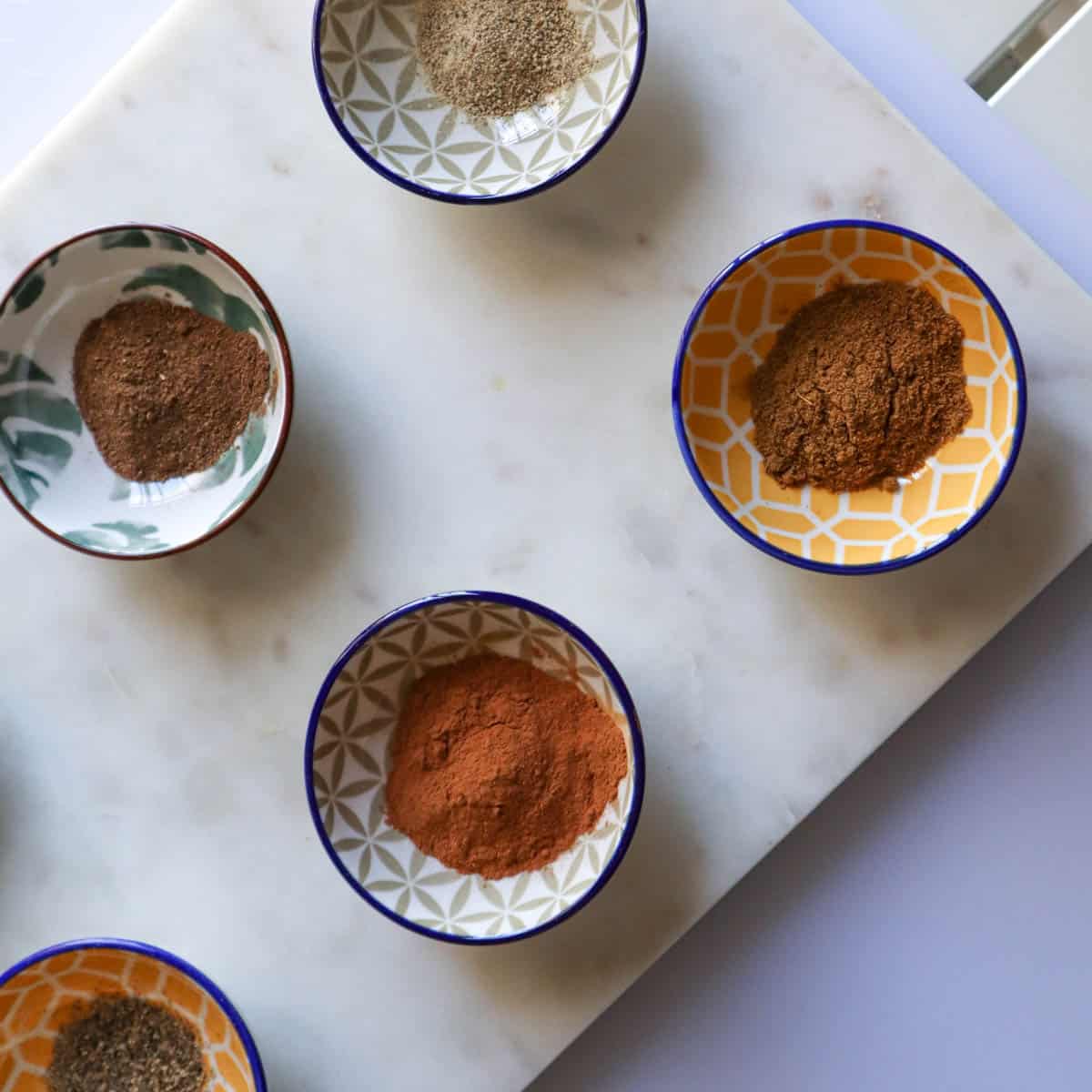
The magic of *Lebanese 7 Spice blend sabaa baharat* lies in the careful selection and combination of its constituent spices. While variations exist, the classic Lebanese blend typically features these seven powerhouses:
*
Allspice: Often confused with a blend, allspice is a single berry that remarkably carries notes reminiscent of cloves, nutmeg, and cinnamon, providing a warm and complex base.
*
Cinnamon: Imparts a sweet, woody warmth that is comforting and deeply aromatic. It's a signature note in many Middle Eastern dishes.
*
Cumin: Earthy, savory, and slightly smoky, cumin adds a foundational depth that grounds the blend.
*
Ground Coriander: Offers a brighter, citrusy, and slightly sweet flavor, lifting the overall profile of the blend.
*
Black Pepper: Provides a gentle, pungent heat, crucial for balancing the warmer, sweeter spices and adding a necessary bite.
*
Cloves: Known for their strong, sweet, and pungent aroma, cloves contribute an intense and exotic depth.
*
Nutmeg: Sweet, warm, and slightly nutty, nutmeg adds another layer of fragrant complexity.
While these seven form the traditional backbone, some recipes or personal preferences might introduce minor tweaks. A touch of
cardamom can add an even more intense fragrant lift, while
white pepper might be used alongside or instead of black pepper for a slightly different, perhaps less assertive, heat. Less commonly in the Lebanese blend, but sometimes found in broader baharat mixes, is paprika, which would lend a smoky or sweet red pepper note. The beauty is in the adaptability; once you understand the core, you can subtly fine-tune your blend.
Beyond Borders: Sabaa Baharat's Kinship with Other Baharat Blends
While our focus is on the beloved *Lebanese 7 Spice blend sabaa baharat*, it's fascinating to see how it fits into the global tapestry of spice blends. The concept of "baharat" itself, meaning "spices" in Arabic, is a broad one across the Middle East. Each region and often each family, might have its unique take. For instance:
* In
Turkey, a baharat blend might incorporate fennel or dried mint, adding distinct herbal or anice notes.
* In some parts of
North Africa, you might find more exotic additions like rose petals or ginger, lending a floral or spicy-fresh dimension.
These regional variations highlight a universal culinary principle: blending spices for convenience, depth, and character. We see similar traditions in other cultures:
*
India's Garam Masala: A fragrant, typically warm spice blend added during cooking, distinct from zingier blends like Chaat Masala.
*
Morocco's Ras el Hanout: Often translated as "head of the shop," implying the best spices the merchant has, this complex blend adds incredible depth to tagines and stews.
*
China's Five Spice: A harmonious blend (usually star anise, cloves, Chinese cinnamon, Szechuan pepper, and fennel seeds) used extensively in marinades and rubs.
*
The Levant's Za'atar: A unique blend of herbs (thyme, oregano, marjoram) with toasted sesame seeds and sumac, often used as a condiment or sprinkle.
Understanding these global parallels enriches our appreciation for *Lebanese 7 Spice blend sabaa baharat*. It shows that while the specific ingredients and proportions may differ, the art of creating a balanced, aromatic, and versatile spice mix is a shared human endeavor in the culinary world.
Mastering the Art of Sabaa Baharat: How to Use Your Homemade Blend
Once you've crafted your own batch of *Lebanese 7 Spice blend sabaa baharat*, you'll discover its incredible versatility. This blend isn't just for one type of dish; its warm, aromatic, and subtly peppery notes make it suitable for a wide range of applications, both during the cooking process and as a finishing seasoning.
Here are some popular and creative ways to integrate this essential blend into your cooking:
*
Meats: Sabaa baharat is a match made in heaven for all types of meat.
*
Ground Meat: It's indispensable for seasoning ground beef or lamb in dishes like kofta, meat pies, or stuffed vegetables (*hashweh* for grape leaves, zucchini, or bell peppers). Mix it into your burger patties for an unforgettable Middle Eastern twist!
*
Poultry: Use it generously as a rub for chicken before roasting or grilling. It’s the quintessential seasoning for Lebanese chicken and rice (*Riz w Djej*).
*
Stewed Meats: Add it to lamb or beef stews for a deeply aromatic and comforting flavor.
*
Rice and Grains: Elevate simple rice dishes by stirring in some sabaa baharat. It transforms plain rice into a fragrant pilaf, perfect as a side or the base for more elaborate meals.
*
Soups and Lentils: A pinch of sabaa baharat can add warmth and complexity to lentil soups, vegetable broths, or even heartier stews, making them feel more authentic and comforting.
*
Vegetables: Don't limit it to meats! Sprinkle sabaa baharat over roasted vegetables like cauliflower, potatoes, or carrots for an aromatic side dish.
*
Dips and Spreads: Get creative by mixing a small amount into hummus, labneh, or other creamy dips for an unexpected flavor boost.
*
Flatbreads: While za'atar is often preferred, sabaa baharat can also be sprinkled on certain flatbreads before baking for a savory, aromatic topping.
The key is to experiment. Start with a smaller amount and adjust to your taste. You'll quickly develop an intuitive understanding of how this blend enhances various ingredients. For more detailed insights and specific recipes to incorporate this blend, make sure to check out our article on
Unlock Middle Eastern Flavors: How to Use Lebanese 7 Spice (Sabaa Baharat).
Crafting Your Own: A Step-by-Step Guide to Homemade Lebanese 7 Spice
Making your own *Lebanese 7 Spice blend sabaa baharat* is remarkably easy and immensely rewarding. The freshest spices will yield the most potent and aromatic blend. While you can use pre-ground spices for convenience, for the ultimate flavor, consider grinding whole spices just before blending. This unlocks their essential oils and provides an unparalleled depth.
Yields: Approximately 7 tablespoons
Prep time: 5 minutes (if using pre-ground) or 10-15 minutes (if grinding whole spices)
Ingredients:
- 1 tablespoon ground allspice (or whole allspice berries, ground)
- 1 tablespoon ground cinnamon (or cinnamon sticks, ground)
- 1 tablespoon ground cumin (or cumin seeds, toasted and ground)
- 1 tablespoon ground coriander (or coriander seeds, toasted and ground)
- 1 tablespoon freshly ground black pepper (or whole peppercorns, ground)
- 1 tablespoon ground cloves (or whole cloves, ground)
- 1 tablespoon ground nutmeg (or whole nutmeg, freshly grated)
Optional Additions for Customization:
- 1 teaspoon ground cardamom for an extra layer of fragrant sweetness.
- ½ teaspoon white pepper for a slightly different, milder heat profile.
Instructions:
- Prepare Whole Spices (Optional but Recommended for Best Flavor): If using whole spices, lightly toast the cumin seeds, coriander seeds, and whole peppercorns in a dry skillet over medium-low heat for 1-2 minutes until fragrant. Be careful not to burn them. Allow them to cool completely.
- Grind Spices: Using a spice grinder, coffee grinder (dedicated to spices), or a mortar and pestle, grind any whole spices into a fine powder. For nutmeg, freshly grate it.
- Combine: In a small bowl, combine all the ground spices (allspice, cinnamon, cumin, coriander, black pepper, cloves, nutmeg). Add any optional additions if desired.
- Mix Thoroughly: Stir the blend very well with a spoon to ensure all the spices are evenly distributed.
- Store: Transfer your homemade *Lebanese 7 Spice blend sabaa baharat* to an airtight container. A glass jar with a tight-fitting lid is ideal.
Tips for Success and Storage:
- Freshness is Key: The fresher your spices, the more potent and vibrant your blend will be. Buying whole spices and grinding them just before mixing yields the best results.
- Storage: Store the spice blend in a cool, dark place away from direct sunlight and heat. Properly stored, it will maintain its potency and flavor for up to 6 months. After that, while still safe to use, its aromatic qualities will diminish.
- Toast for Depth: Toasting whole seeds (cumin, coriander) before grinding significantly deepens their flavor.
- Batch Size: Feel free to scale this recipe up or down depending on how frequently you plan to use it. Making smaller batches more often ensures maximum freshness.
For a deeper dive into understanding and maximizing the potential of this essential blend, explore our comprehensive resource:
Lebanese 7 Spice (Sabaa Baharat): Your Guide to This Essential Blend.
Embrace the Aroma
Crafting your own *Lebanese 7 Spice blend sabaa baharat* is more than just making a spice mix; it's an invitation to explore the rich, aromatic world of Lebanese cuisine. With its warm, complex, and utterly captivating flavor profile, this blend will quickly become a cherished staple in your kitchen. From simple ground meat dishes to elaborate rice pilafs, your homemade sabaa baharat will infuse every meal with an authentic taste of the Levant. So, gather your spices, awaken your senses, and embark on a delicious journey that celebrates tradition, flavor, and the joy of home cooking.