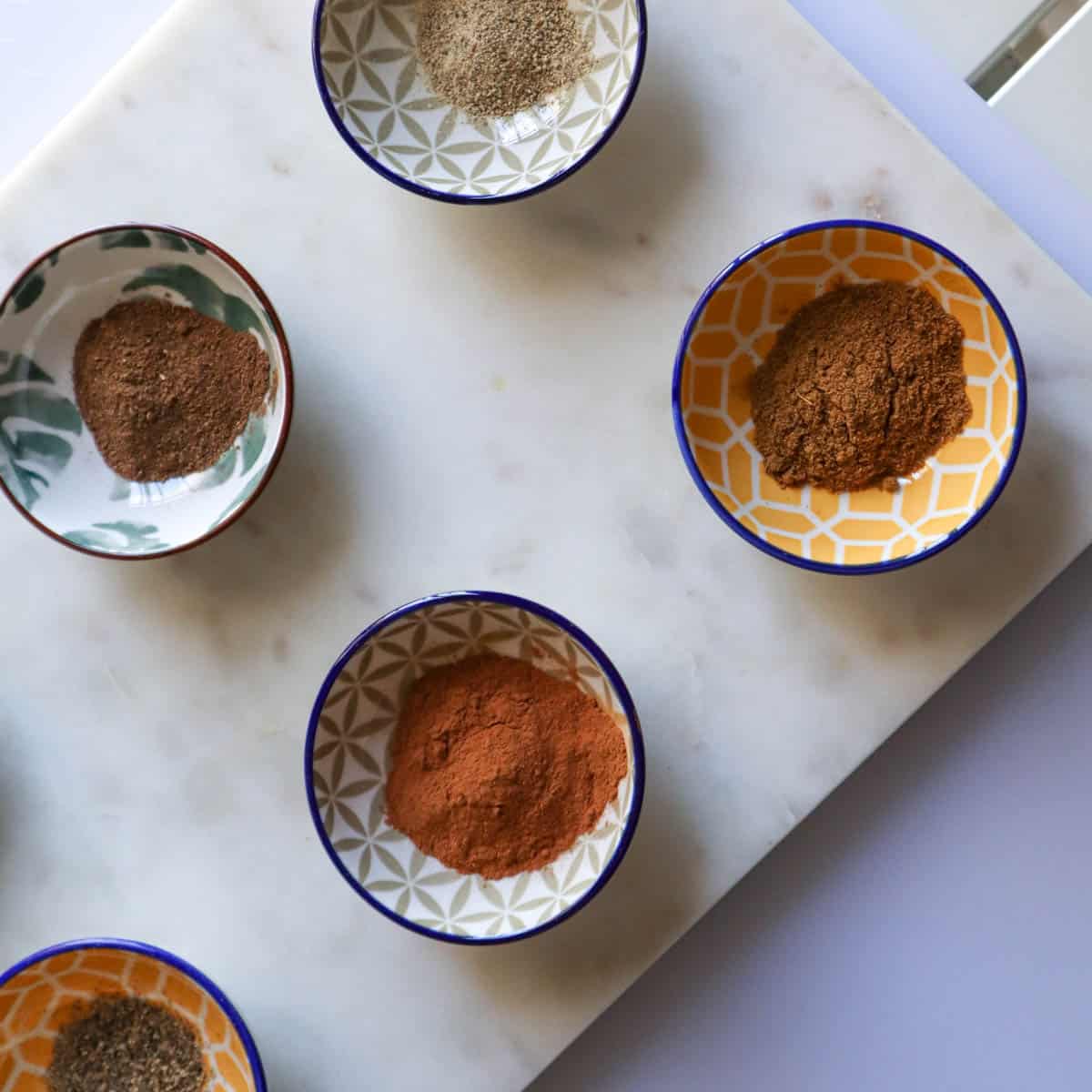
Lebanese 7 Spice (Sabaa Baharat): Your Guide to This Essential Blend
In the vibrant tapestry of Middle Eastern cuisine, few elements are as foundational and evocative as its aromatic spice blends. Among these cherished mixtures, Lebanese 7 Spice blend, known as Sabaa Baharat, stands out as a true culinary cornerstone. More than just a collection of ingredients, it's a fragrant symphony that imparts warmth, depth, and an unmistakable character to a vast array of dishes, transforming everyday meals into authentic Lebanese experiences.
Often referred to simply as Baharat (the Arabic word for "spices"), this particular Lebanese 7 Spice blend carries a legacy of flavor. While the exact proportions and sometimes even the inclusion of a specific spice can vary slightly from family to family, the essence of Sabaa Baharat remains consistent: a harmoniously balanced mix designed to elevate everything from savory stews to simple rice dishes. If you're looking to infuse your cooking with the soul of Lebanese gastronomy, understanding and embracing this essential blend is your delicious starting point.
What is Sabaa Baharat? Unpacking the Heart of Middle Eastern Flavor
At its core, Sabaa Baharat literally translates from Arabic to "seven spices," a testament to its distinct composition. While the term "Baharat" can broadly refer to any spice blend across the Middle East, the Lebanese version is characterized by a specific, warm, and peppery aromatic profile. This blend is not merely a seasoning; it's a flavor enhancer, a unifier, and a gateway to the rich culinary traditions of Lebanon.
Globally, many cuisines rely on signature spice blends to define their identity. India boasts its aromatic Garam Masala and tangy Chaat Masala. Morocco enchants with the complex depths of Ras el Hanout, while China captivates with the five-note harmony of Chinese Five Spice. Unlike some blends that incorporate herbs, such as French Herbes de Provence or the Levantine Za'atar, the traditional Lebanese 7 Spice is purely a spice affair, focusing on the powerful punch of dried and ground seeds, barks, and berries.
What sets the Lebanese 7 Spice blend sabaa baharat apart is its pervasive presence in Lebanese kitchens. It's not a specialty blend reserved for rare occasions but a daily staple, as indispensable as salt and pepper. Its versatility allows it to be used both during cooking, infusing dishes with its essence as they simmer, and as a finishing seasoning, adding a final fragrant flourish.
The Heart of the Blend: Essential Spices in Lebanese 7 Spice
While regional variations exist, the cornerstone ingredients that typically form the authentic Lebanese 7 Spice (Sabaa Baharat) are consistent and contribute to its signature profile. These spices are carefully chosen not just for their individual flavors but for how they interact and complement one another, creating a complex and layered taste experience.
Core Ingredients of an Authentic Lebanese 7 Spice Blend:
- Allspice (Kabab Sine): Often considered the dominant note, allspice provides a warm, sweet, and peppery flavor reminiscent of cloves, nutmeg, and cinnamon all in one. Its name truly reflects its contribution to the blend.
- Black Pepper: Essential for that subtle "bite" and a pungent warmth that balances the sweeter elements.
- Cinnamon: Adds a sweet, woody, and intensely aromatic warmth, a classic Middle Eastern flavor.
- Cloves: Offering a strong, sweet, and pungent aroma, cloves contribute a deep, rich undertone to the blend.
- Nutmeg: Provides a sweet, musky, and slightly nutty flavor, enhancing the overall aromatic complexity.
- Cumin: Earthy, warm, and slightly bitter, cumin adds a savory depth that grounds the more fragrant spices.
- Ground Coriander: With its lemony, floral, and slightly sweet notes, coriander brightens the blend and adds another layer of warmth.
While these seven form the traditional backbone, you might encounter slight deviations. Some families might include a touch of cardamom for its intense floral and citrusy notes, or a hint of white pepper for a different kind of gentle heat. Interestingly, while paprika is a common ingredient in many broader Baharat blends found across the Middle East, it is less typical in the specific Lebanese 7 Spice formulation, which tends to favor a purer, un-reddened spice profile. The beauty of this blend, like many homemade spice mixtures, lies in its adaptability. Proportions can be adjusted to personal preference – some prefer a bolder clove note, others more black pepper – allowing for a truly bespoke spice experience.
Beyond the Basics: How to Use Lebanese 7 Spice in Your Cooking
The versatility of Lebanese 7 Spice (Sabaa Baharat) is one of its most compelling attributes. Its balanced profile, featuring both aromatic warmth and a subtle peppery kick, makes it suitable for an astonishing array of dishes. Once you begin to experiment, you'll find yourself reaching for it frequently, much like a seasoned Lebanese cook.
Versatile Applications for Your Sabaa Baharat:
- Meat Dishes: Sabaa Baharat shines particularly brightly when combined with ground meats like beef, lamb, or chicken. It's a key ingredient for Kofta (Middle Eastern meatballs), perfectly seasons meat for stuffing vegetables (known as hashweh for dishes like stuffed grape leaves, zucchini, or bell peppers), and transforms simple ground beef into a flavorful burger patty. It’s also excellent in marinades and rubs for roasted chicken, lamb chops, or beef roasts.
- Rice and Grains: A sprinkle of this spice blend can elevate plain rice to a fragrant side dish, especially when cooking Lebanese chicken and rice, a beloved classic. It adds incredible depth to pilafs, freekeh, and other grain-based recipes.
- Stews and Soups: Incorporate Sabaa Baharat into your simmering stews and hearty soups to impart a rich, warming aroma that deepens the overall flavor profile. Think lentil soup, lamb stews, or even a robust vegetable stew.
- Dips and Spreads: Get creative by stirring a pinch into homemade hummus, labneh (strained yogurt), or a creamy baba ghanoush for an unexpected burst of Middle Eastern flavor.
- Vegetarian Creations: Don't limit it to meat! Roasted root vegetables like carrots, potatoes, or sweet potatoes benefit immensely from a dusting of Sabaa Baharat before roasting. It also complements lentil burgers or hearty mushroom dishes.
- Manakish and Flatbreads: While Za'atar is famously used on Manakish (Lebanese flatbread), a blend incorporating Sabaa Baharat can offer a different, equally delicious savory option.
The key is to experiment. Start with a small amount and adjust to your taste. You'll soon discover the magic this aromatic spice blend brings, transforming ordinary ingredients into dishes reminiscent of bustling Lebanese kitchens. For more specific ideas on how to incorporate this incredible blend into your daily cooking, dive into our article: Unlock Middle Eastern Flavors: How to Use Lebanese 7 Spice (Sabaa Baharat).
Crafting Your Own or Buying Smart: Tips for Every Kitchen
Having a fresh, vibrant batch of Lebanese 7 Spice (Sabaa Baharat) in your pantry is a game-changer. You have two main routes: crafting your own from whole spices or purchasing a high-quality pre-made blend.
The Art of Making Your Own Lebanese 7 Spice:
Creating your own Sabaa Baharat blend is a rewarding experience. It ensures the freshest possible flavors and allows you to customize the proportions to your exact liking. The process usually involves lightly toasting whole spices (like black peppercorns, cumin seeds, coriander seeds, cloves, and cinnamon sticks) to release their essential oils, then grinding them into a fine powder. Nutmeg and allspice are typically added as pre-ground components or freshly grated before grinding with the rest. This method not only yields superior flavor but also fills your kitchen with an intoxicating aroma.
Choosing a Quality Pre-Made Baharat Spice Blend:
If time is of the essence, a reputable store-bought Lebanese 7 Spice blend sabaa baharat can be an excellent alternative. When purchasing, look for:
- Reputable Brands: Opt for brands specializing in Middle Eastern ingredients.
- Ingredients List: Ensure the blend contains the core seven spices (allspice, black pepper, cinnamon, cloves, nutmeg, cumin, coriander) without excessive fillers or anti-caking agents.
- Color and Aroma: Freshly ground spices should have a vibrant color and a strong, complex aroma even before opening. Avoid blends that look dull or smell faint.
- Expiration Dates: Always check for freshness. Ground spices lose potency over time.
Storage Tips for Longevity:
Whether homemade or store-bought, proper storage is crucial to maintain the potency and flavor of your lebanese 7 spice blend sabaa baharat:
- Airtight Container: Store in a tightly sealed glass jar or spice tin.
- Cool, Dark Place: Keep away from direct sunlight, heat, and humidity, as these can degrade the spices quickly. A cupboard or pantry shelf is ideal, not next to the stove.
- Use Within 6-12 Months: While spices don't "spoil" in a harmful way, their flavor and aroma significantly diminish after about 6-12 months for ground spices. Whole spices last longer, typically 1-2 years.
Embrace the Essence of Lebanese Cuisine
The Lebanese 7 Spice (Sabaa Baharat) is more than just a mixture of ground spices; it's an invitation to explore the heart and soul of Lebanese cooking. Its warm, aromatic, and subtly peppery profile is incredibly versatile, enhancing everything from succulent meats and fragrant rice dishes to hearty stews and creative vegetarian meals. By understanding its key components, appreciating its cultural significance, and learning how to incorporate it into your culinary repertoire, you unlock a world of rich, authentic flavors. Whether you choose to grind your own bespoke blend or select a high-quality store-bought option, ensure freshness and proper storage to truly experience the magic of this indispensable Middle Eastern staple. Let Sabaa Baharat inspire your next culinary adventure!
